Jiawen Wu
Teaching & Mentoring

High standards, high support

I help students ask precise questions about human development, evaluate evidence with care, and become increasingly independent thinkers and researchers.

40+ Undergraduate and graduate students mentored
Instructor of record Psychology 216: Child Psychology
Research and thesis Mentoring from questions through communication

In the classroom

Teaching students to think like developmental scientists

I want students to understand the science of development, gain practical research and quantitative skills, and consider the social and cultural implications of what they learn.

University of Illinois Urbana-Champaign

Psychology 216: Child Psychology

An undergraduate course examining development from infancy through young adulthood.

Course focus How do children develop the knowledge and skills they need, and why do developmental pathways differ?
  • Student-led reviews
  • Scientific article discussions
  • Story and video discussion leadership
  • Social and cultural context
01

Make theory concrete

Students connect developmental concepts to authentic questions about families, health, culture, and education, then turn observations into testable questions.

02

Invite students to lead

Student-led reviews, stories, videos, and discussion questions make participation part of the course's learning architecture.

03

Use technology with integrity

I scaffold data and AI activities so students document assistance, interpret evidence themselves, and evaluate outputs against theory and evidence.

Research and thesis mentoring

From curiosity to independent research

I have mentored more than 40 undergraduate and graduate students in research and thesis work. My approach combines ambitious expectations, transparent guidance, regular feedback, and increasing intellectual independence.

  1. 01

    Frame

    Turn an interest into a precise question and operationalize the key constructs.

  2. 02

    Build

    Develop skills in research design, behavioral coding, reliability, and responsible data handling.

  3. 03

    Analyze

    Select appropriate models, interpret results carefully, and write with transparency.

  4. 04

    Communicate

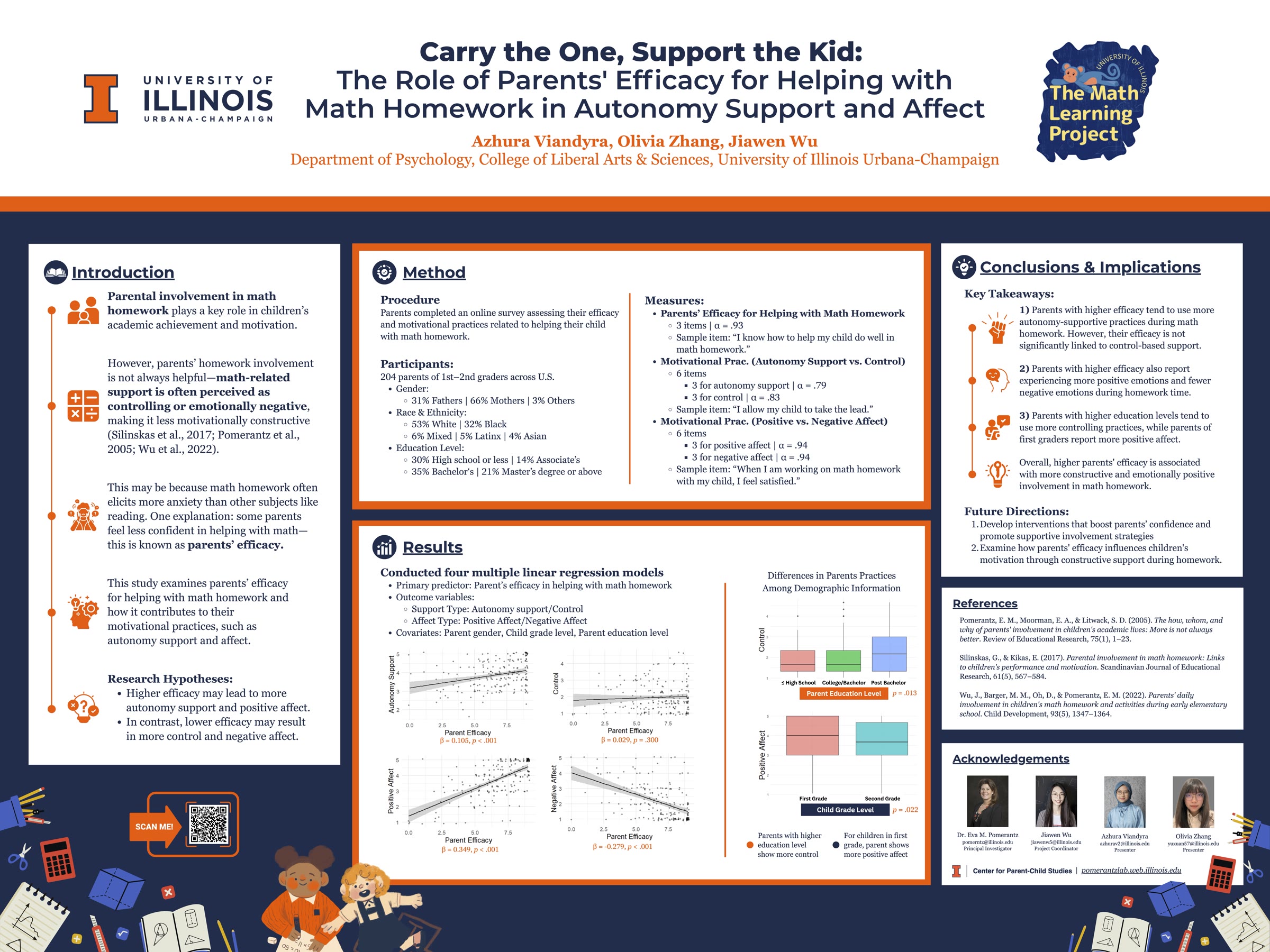
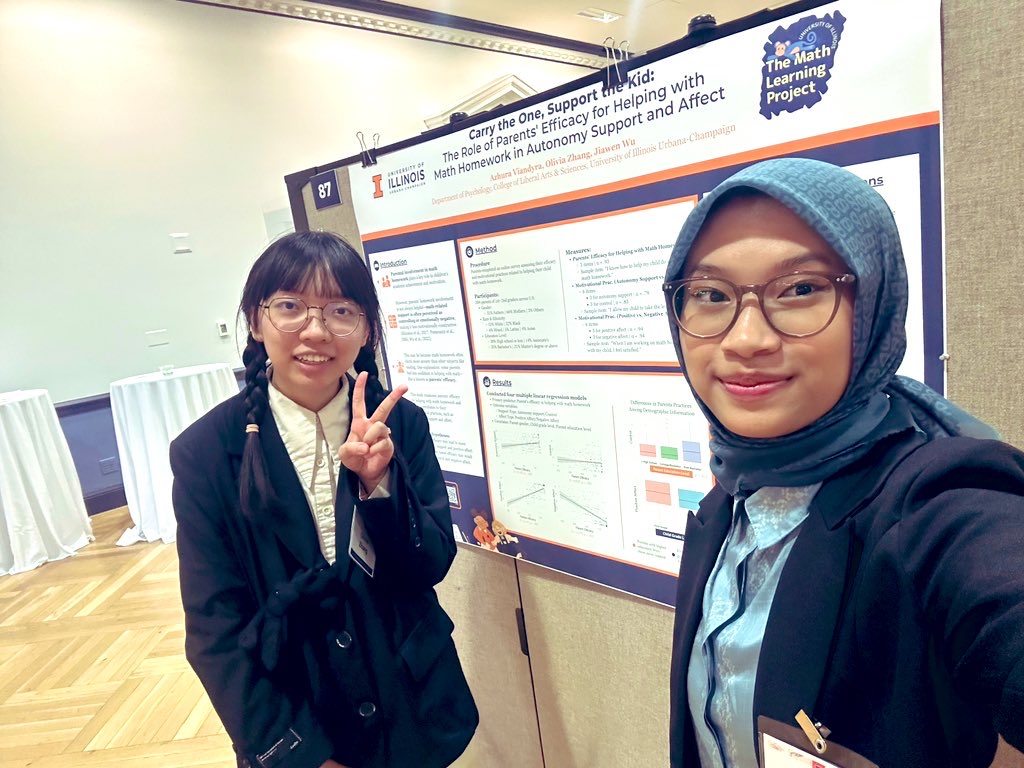
    Explain findings clearly through theses, posters, presentations, and writing for varied audiences.

High standards

I make expectations visible, explain the purpose behind feedback, and support students in producing work they can defend with confidence.

High support

Regular individual and small-group check-ins, structured peer review, and revision pathways help students grow without taking ownership away from them.

Student voice

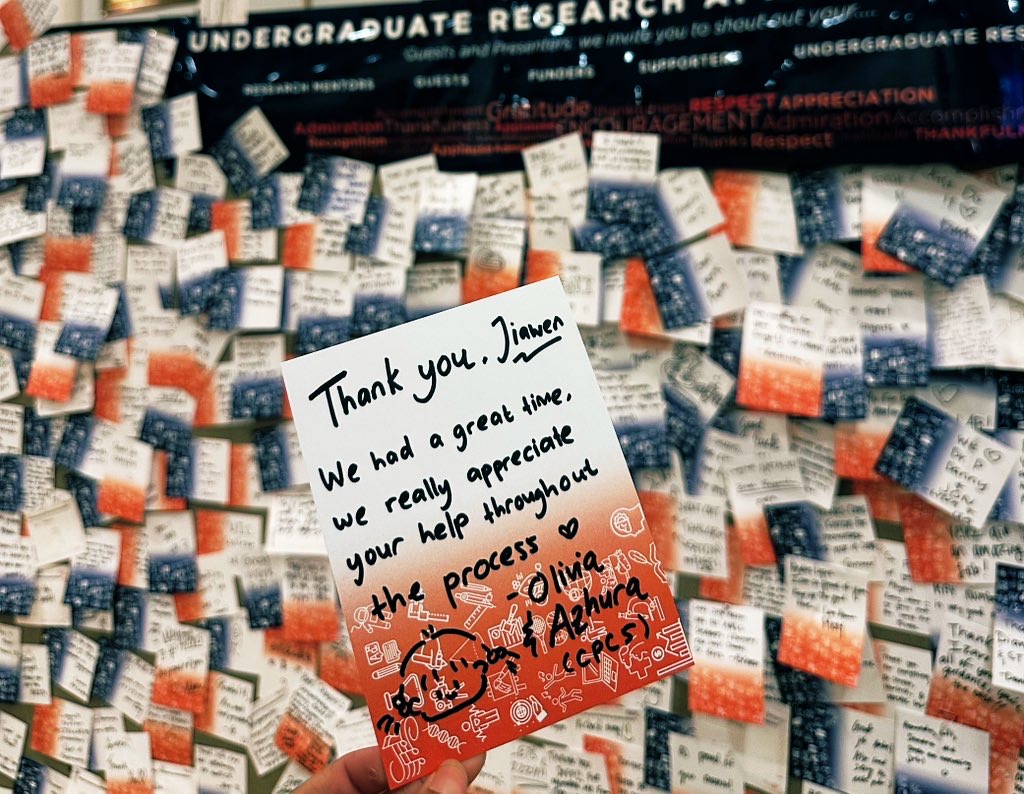
I ask students for feedback on mentoring and project workflows and incorporate their ideas into how our teams learn and work together.
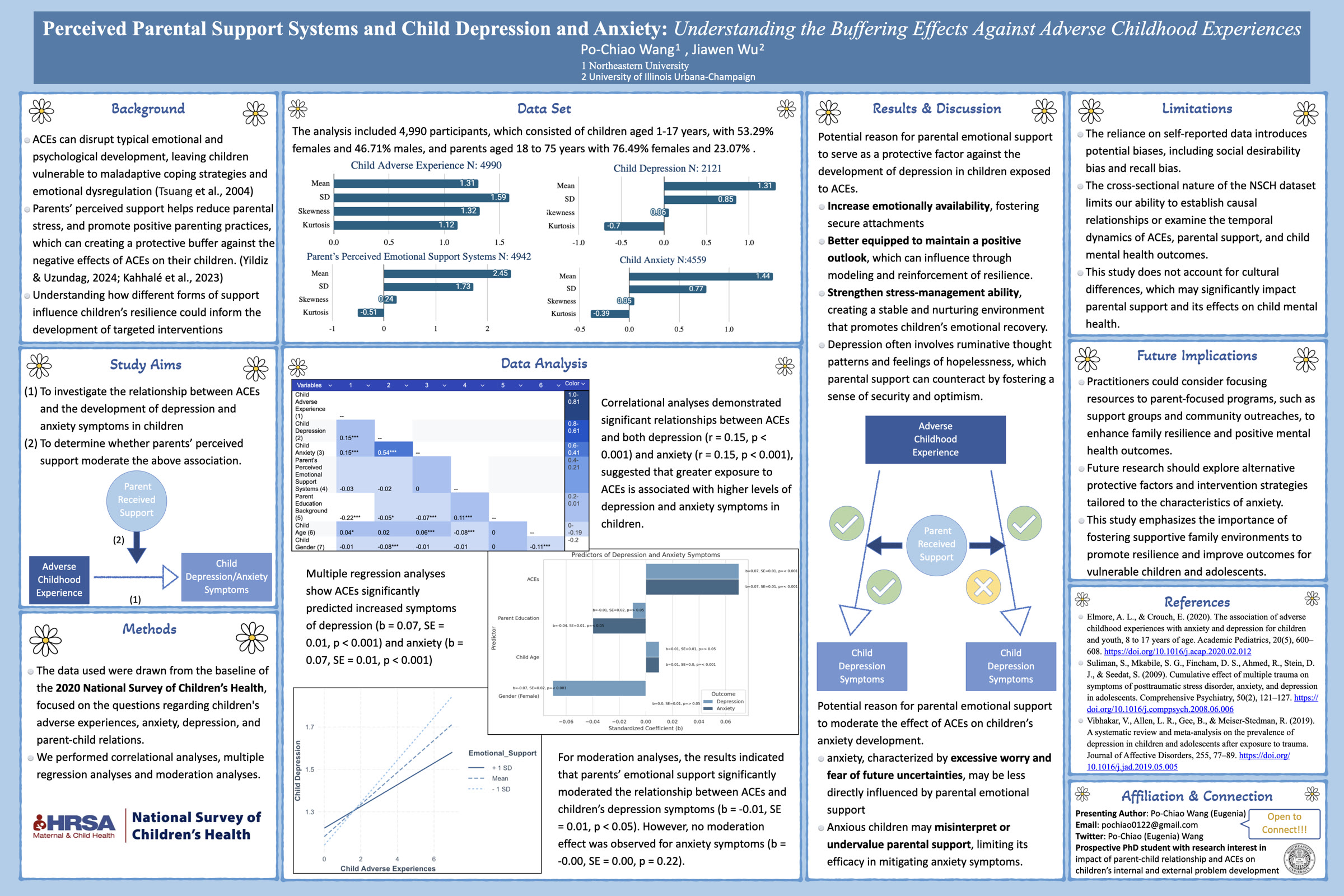
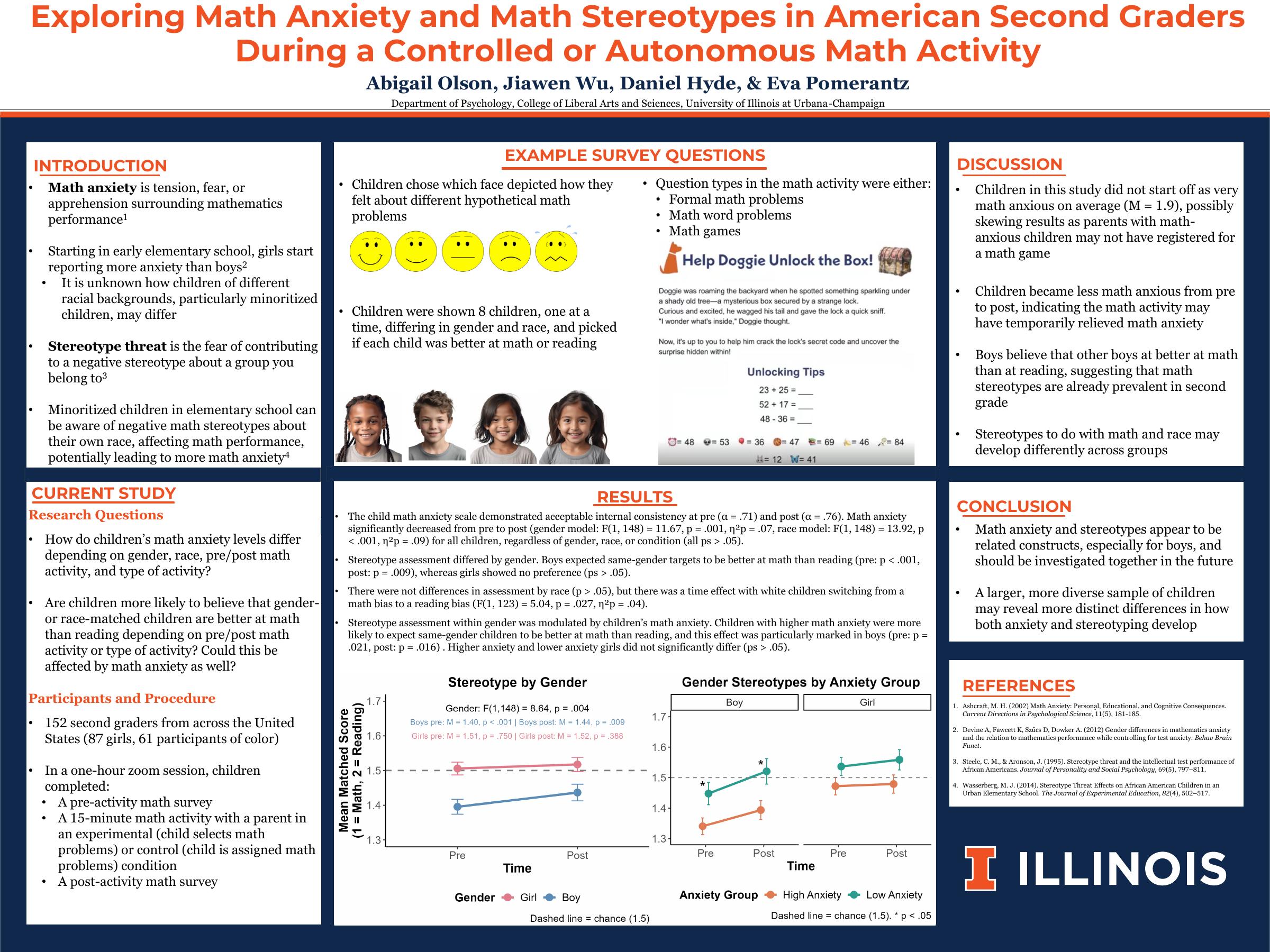
Mentee perspectives

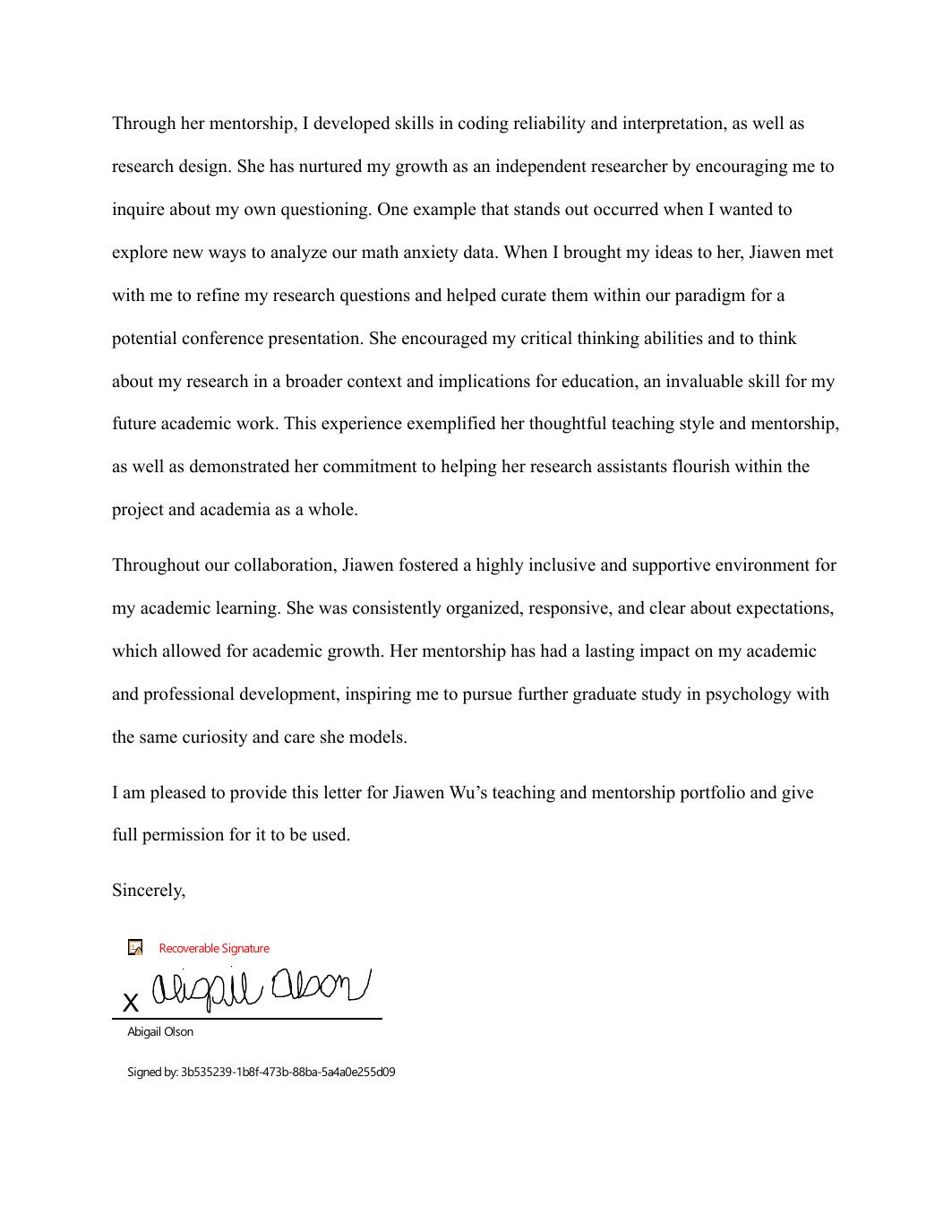
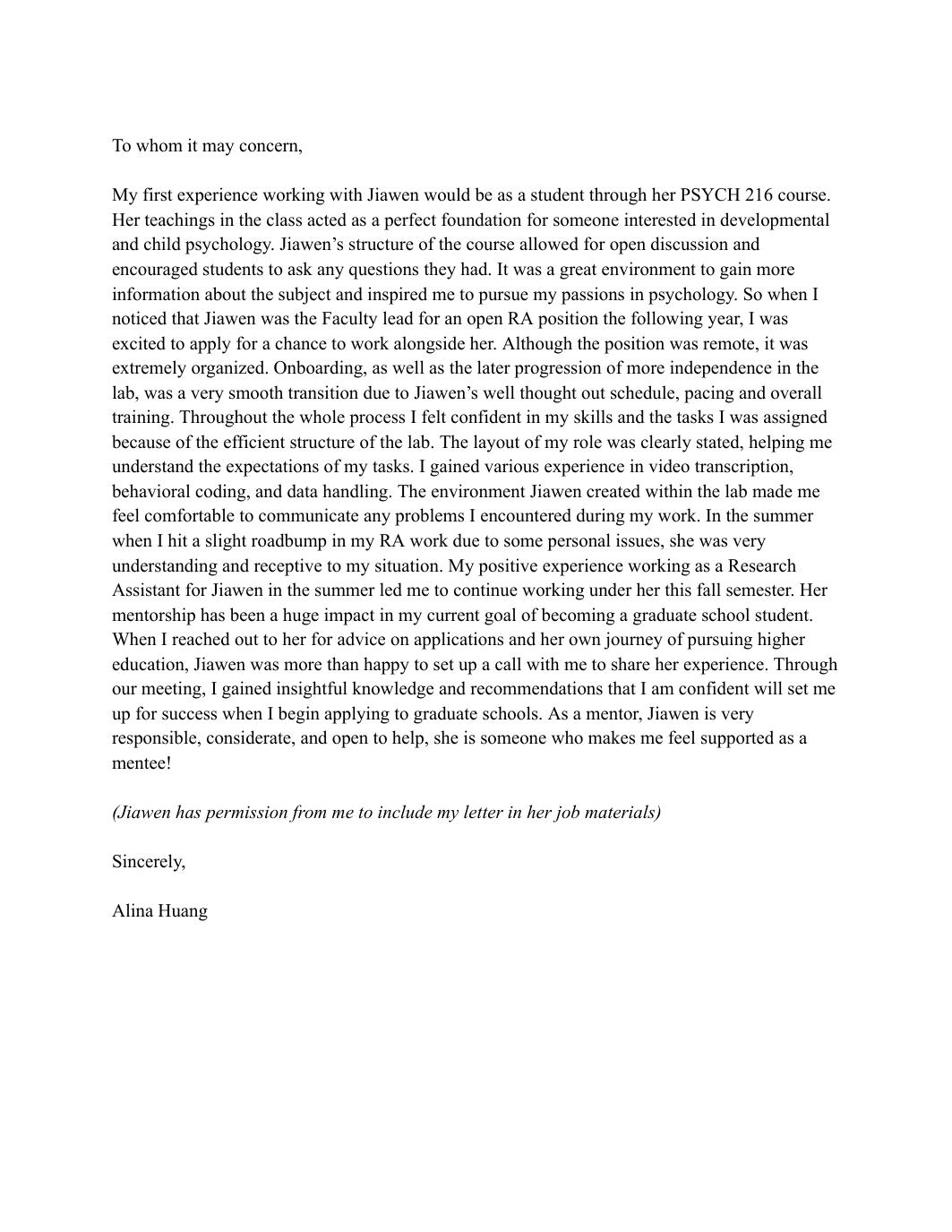
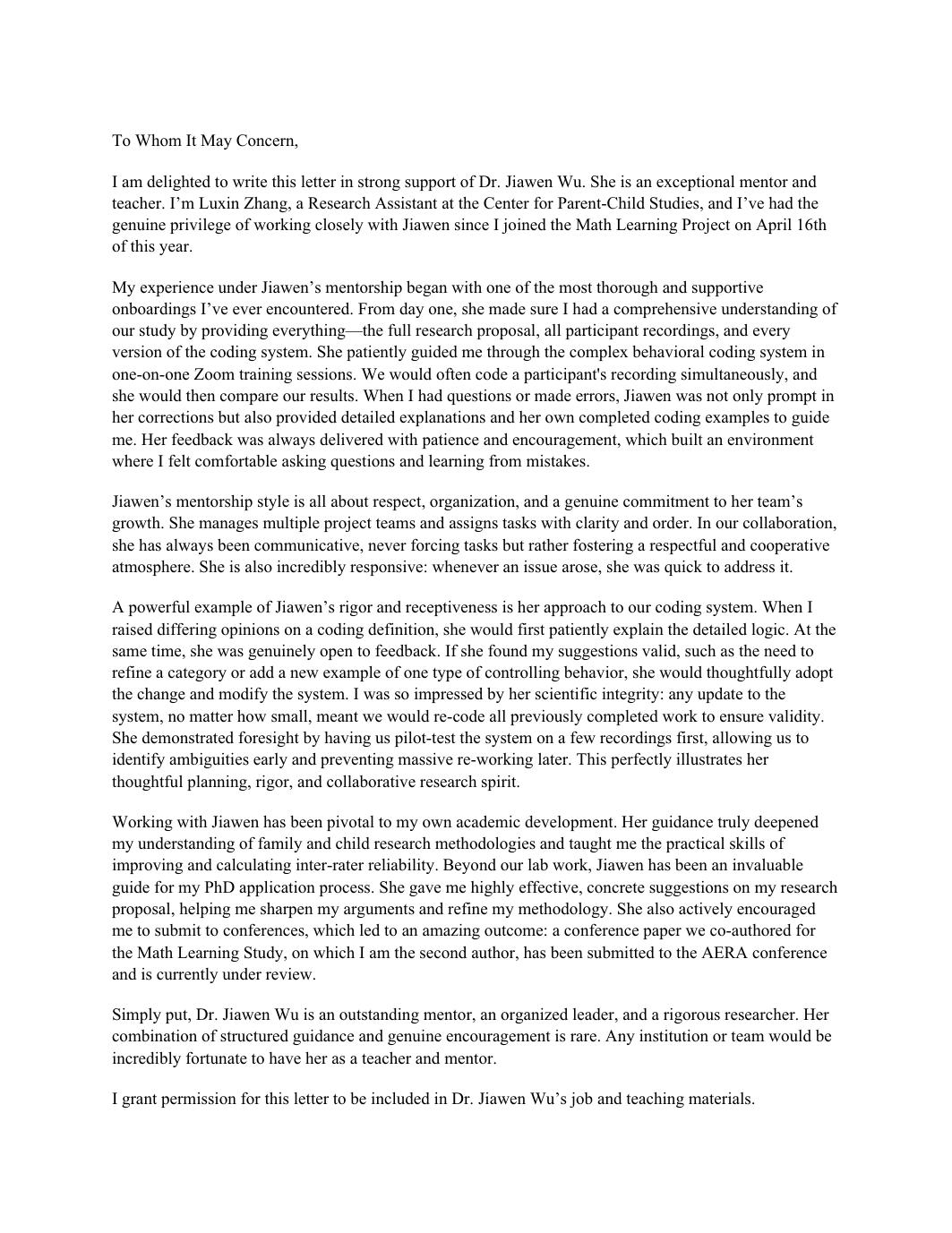
Letters of support

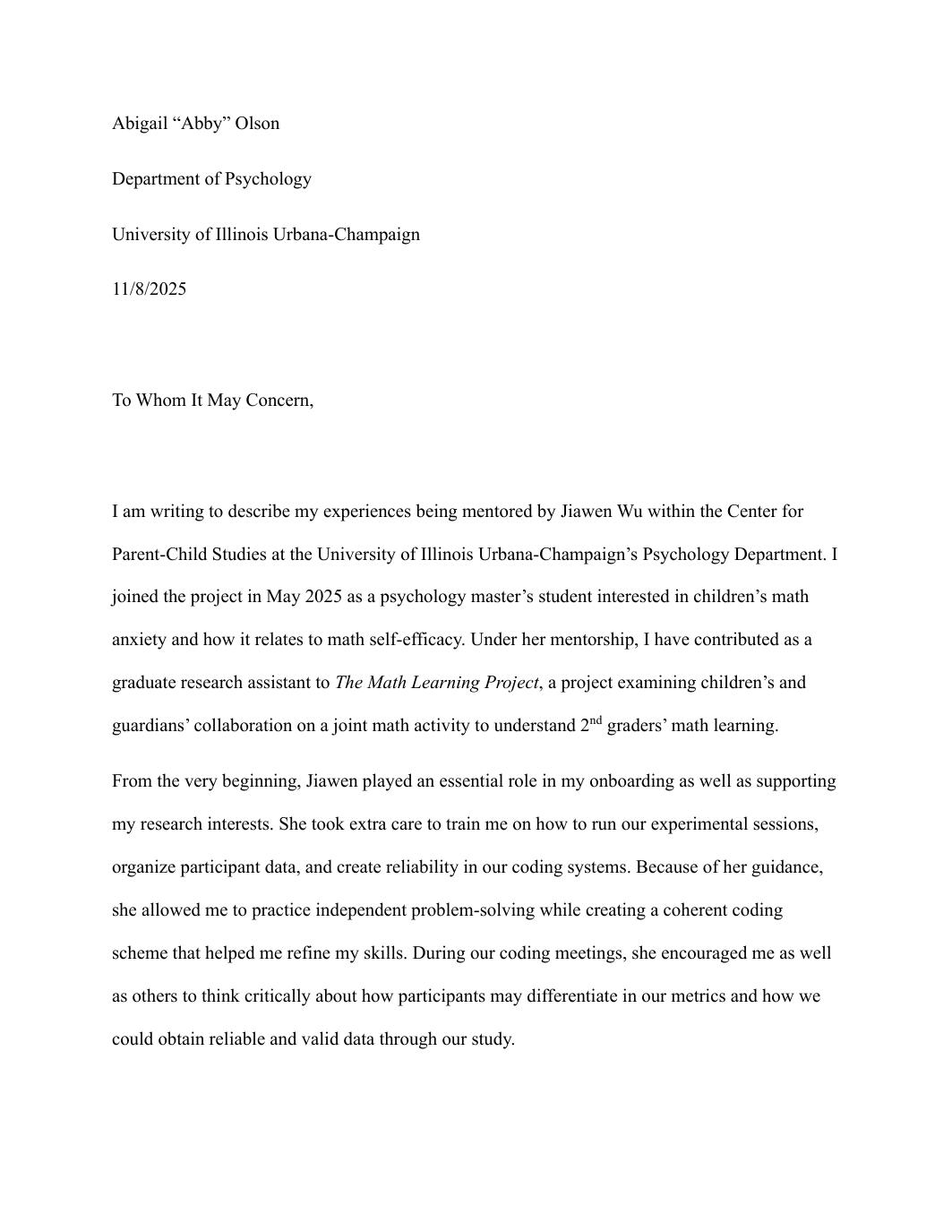
Each complete letter is presented in a scrollable viewer below. The PDF links open a larger version in a new tab.

Graduate research mentoring

Abigail “Abby” Olson

Open PDF ↗
Page 1 of 3 of Abigail Olson's letter of support. Page 2 of 3 of Abigail Olson's letter of support. Page 3 of 3 of Abigail Olson's letter of support.

Teaching interests and preparation

Courses I am prepared to teach

Developmental science

Child and Adolescent Development

Lifespan Development

Parenting, Motivation, and STEM Education

Research design

Research Methods

Developmental Research Methods

Behavioral Coding in Social Science

Quantitative methods

Statistics for the Behavioral Sciences

Multilevel Modeling and Structural Equation Modeling

Measurement and Longitudinal Design