I am a developmental psychologist and Postdoctoral Research Fellow at Nanyang Technological University in Singapore. I received my BS in Psychology from Fudan University in 2019, followed by an MS in Psychology in 2021 and a PhD in Psychology in 2025 from the University of Illinois Urbana-Champaign, where I also completed a minor in Quantitative Psychology.
My research examines how children learn to engage with difficult things: how they develop motivation, confidence, curiosity, and the willingness to persist, and how these processes are shaped by the people and environments around them.
I am especially drawn to questions that begin in ordinary moments. What happens when a parent helps a child with mathematics? When does support encourage independence, and when might it unintentionally create pressure? How do children interpret what adults communicate about effort, ability, failure, and success? Increasingly, I am extending these questions into the AI era: how children and young people use AI for learning, when it supports rather than replaces thinking, how parents and teachers can guide its use, and what human capacities children will need in a future that is difficult to predict.
My work sits at the intersection of developmental psychology, education, family processes, and technology. I use longitudinal, experimental, survey, and observational methods, together with quantitative modeling and computational approaches. I also enjoy building tools that make new research questions possible, including behavioral coding systems, human-in-the-loop AI pipelines, and an online learning platform designed to capture parent–child mathematics interactions through detailed behavioral logs.
As a researcher, I am curious, persistent, and often unwilling to stop at the first explanation. I enjoy moving between theory and detail: from asking broad questions about human development to examining a particular sentence, interaction, behavioral sequence, or model coefficient. I care deeply about methodological rigor, but I also want research to remain connected to the lives of children, families, educators, and students. For me, the strongest work is careful enough to be trusted and useful enough to matter.
Mentoring is also an important part of how I see myself as a scholar. I value high standards paired with clear guidance, intellectual independence, and space for students to develop their own questions. Whether I am designing a study, revising a theory, developing a measure, or mentoring a student, I am usually guided by the same question:
A guiding question What helps children become more capable, motivated, and independent learners?
Research, teaching, and life beyond work
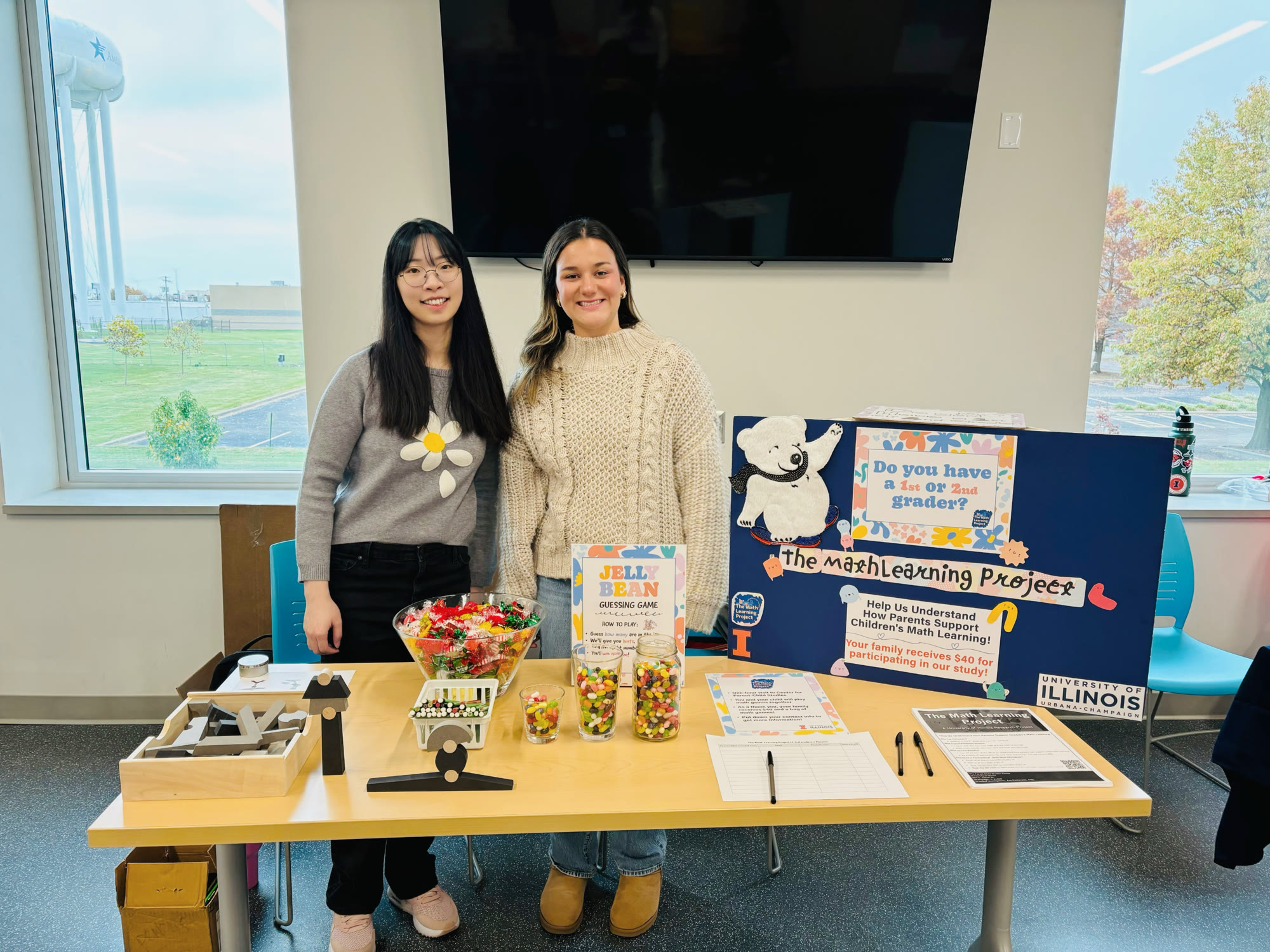
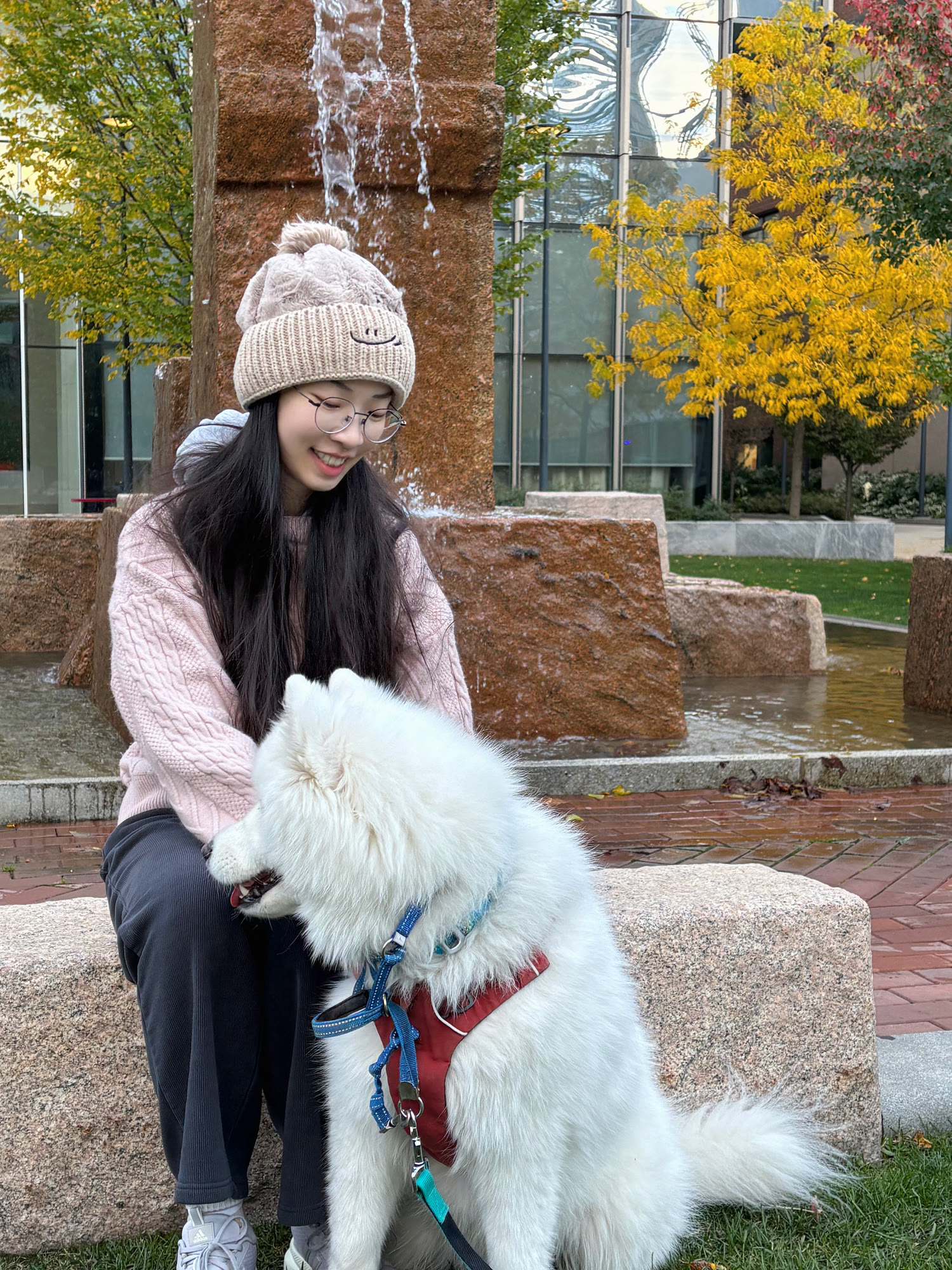
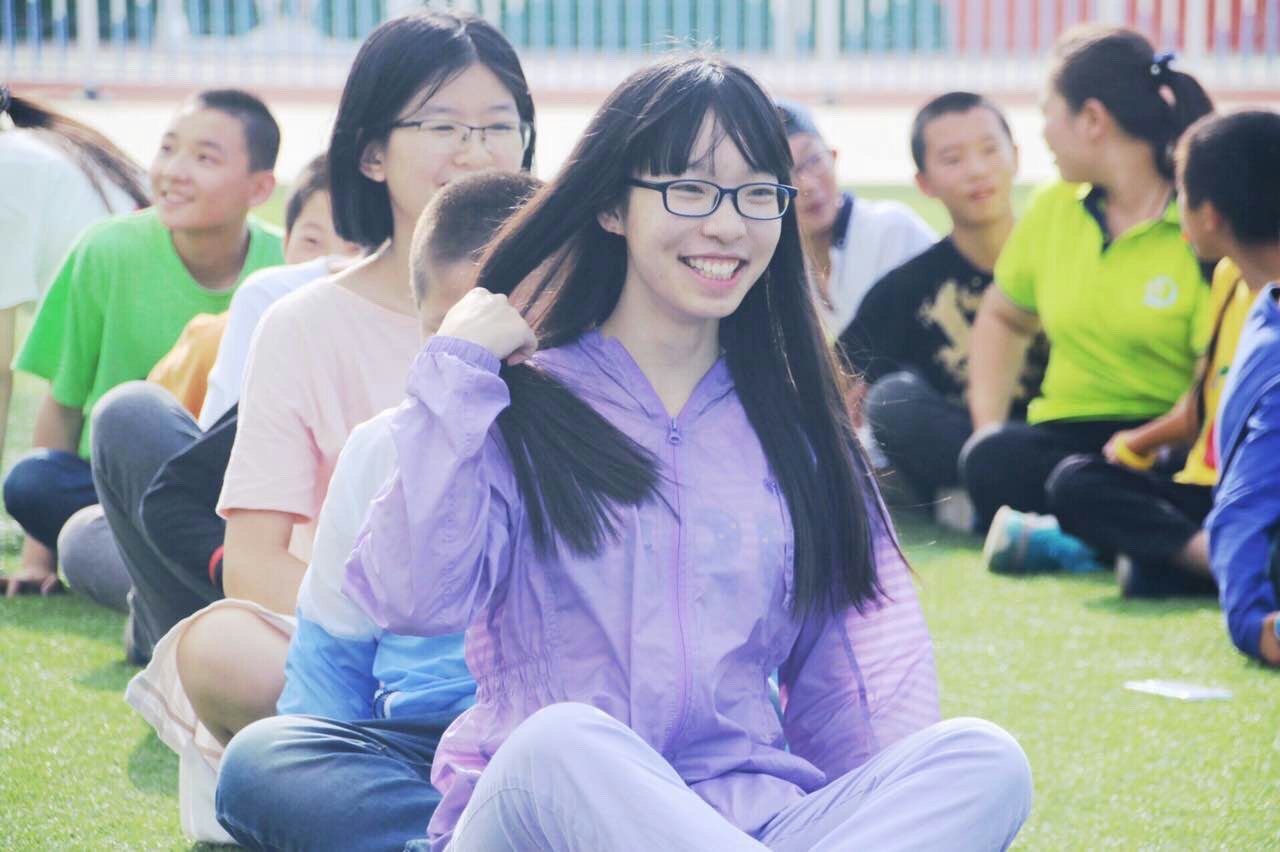
A few moments that reflect the parts of my work and life that matter to me: connecting research with families, teaching, and time outside academia.